
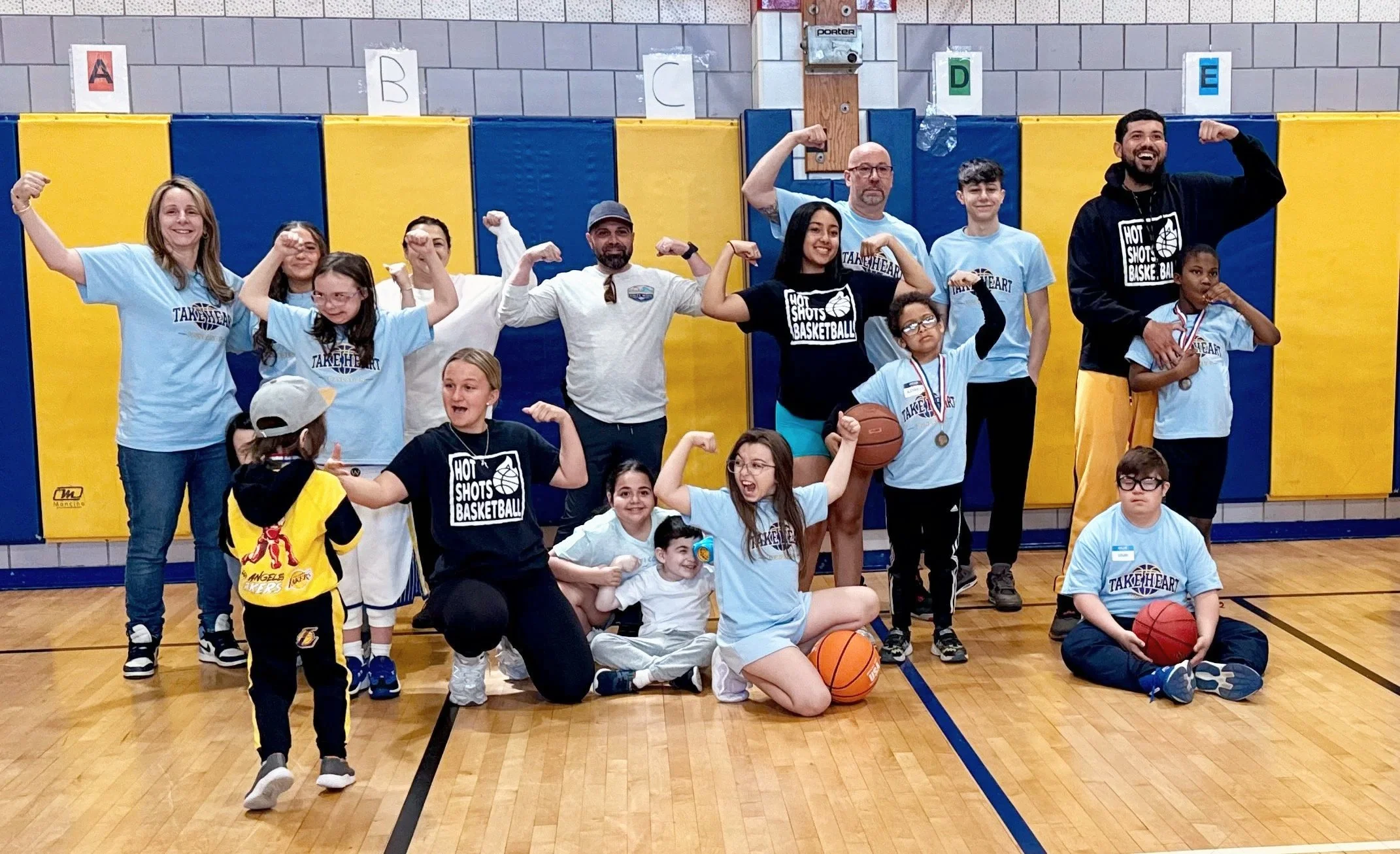
Our Blog: Where Every Athlete's Story Matters
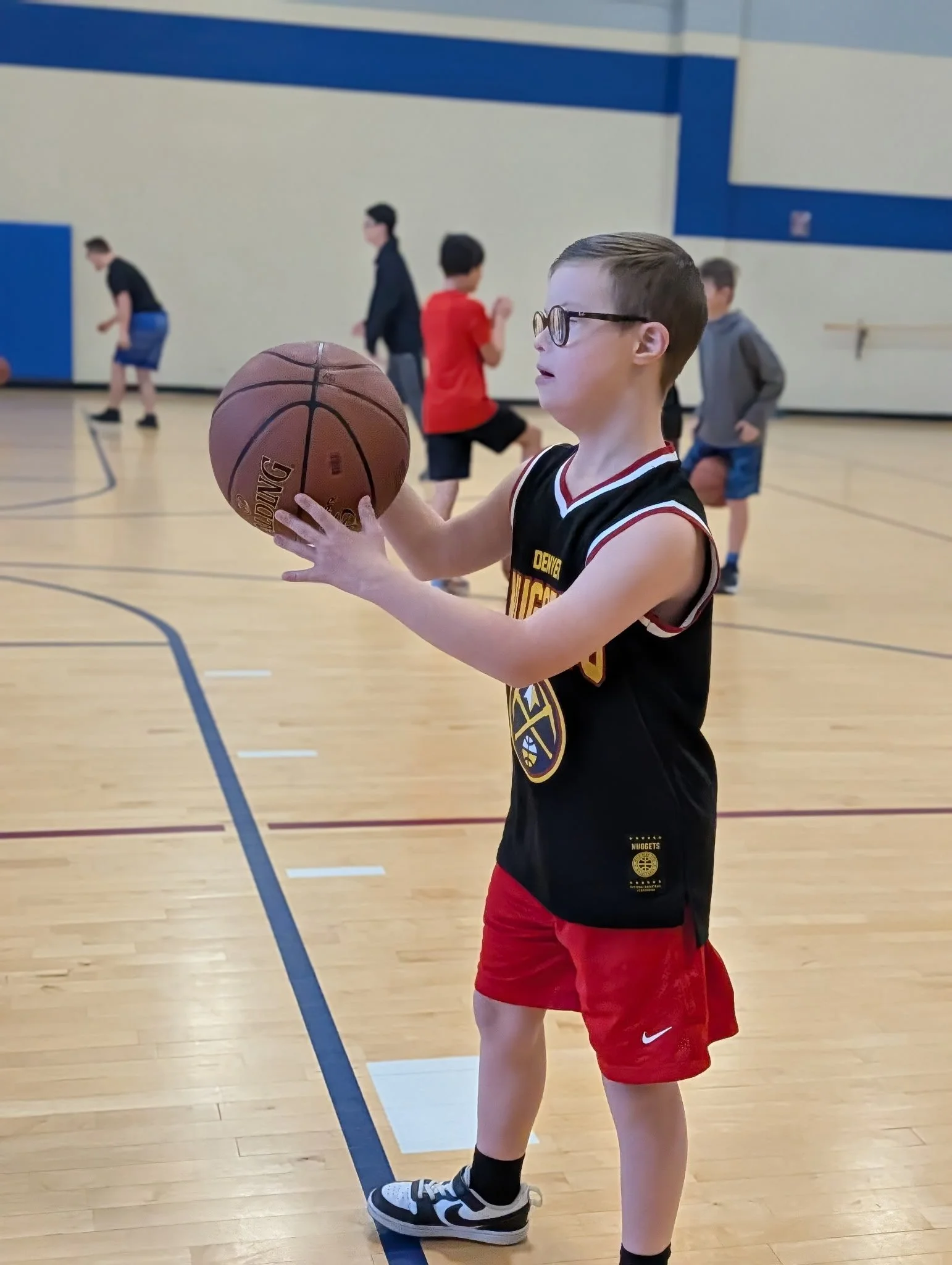
The Transformative Power of Sport
The Transformative Power of Sport: How Athletics Changes Lives for Children with Developmental Disabilities Like Down Syndrome
At Take Heart Foundation, we believe every child deserves the chance not just to participate—but to thrive. For children with developmental disabilities such as Down syndrome, athletics is far more than a pastime: it’s a bridge to improved health, increased confidence, and deeper social connection.
Not Just Play—Real, Scientific Benefits
Scientific research consistently shows that physical activity offers powerful benefits for children with developmental disabilities. A systematic review published in Discover Social Science and Health found that regular physical activity and sports significantly improve muscle fitness, cardiorespiratory health, balance, agility, and functional capacity in children and adolescents with Down syndrome. These improvements aren’t just physical—they contribute to greater independence and a stronger sense of accomplishment.
Similarly, a comprehensive review of the evidence on youth with developmental disabilities published in the American Journal of Health Promotion concluded that participation in structured physical activity leads to improved aerobic capacity, better gross motor function, and high participant and family satisfaction.
Physical Health: A Stronger Foundation for Life
Children with Down syndrome often face physiological challenges such as lower muscle tone and slower motor development. These can make daily activities, from walking to stair climbing, more difficult—but movement can be medicine.
Studies show that regular physical activity has a direct, positive relationship with improved mobility outcomes, meaning children who stay active tend to move more easily in daily life.
Participating in sports like swimming, athletics, or adapted team games encourages children to:
Build strength and endurance
Improve balance and coordination
Enhance cardiovascular health
Reduce risks linked to sedentary lifestyles, such as obesity and low fitness
The evidence is clear: staying physically active helps build healthier bodies and opens doors to more active, independent lives.
Social Growth and Emotional Well-being
Beyond the physical, athletics fosters vital emotional and social development. When a child crosses a finish line, makes a pass, or cheers on a teammate, something deeper happens: a sense of belonging takes root.
Although much of the research focuses on physical outcomes, parents and caregivers consistently report that sports provide an irreplaceable social experience. Many children participate in physical activity primarily to be with peers, strengthening friendships and reducing isolation.
In team and adapted sports environments, children learn cooperation, communication, resilience, and self-esteem—skills they carry off the field and into school, family life, and community.
Programs like Special Olympics, unified sports teams, or inclusive athletics clubs create spaces where differences are celebrated and every child is valued for their effort and spirit.
Why This Matters to Families and Communities
The benefits of athletics for children with developmental disabilities go far beyond trophies and medals:
🧠 Cognitive engagement: Movement supports motor planning and learning
🤝 Social inclusion: Team sports break down barriers and build friendships
💪 Physical empowerment: Active children gain strength and confidence
❤️ Emotional resilience: Sport teaches kids how to cope with challenges and celebrate progress
Every child deserves opportunities to grow—not just physically, but socially and emotionally too. When communities invest in inclusive sports programs, we witness children with Down syndrome shine in ways that textbooks and test scores could never capture.
Take Heart’s Mission in Action
At Take Heart Foundation, we are committed to supporting programs and partnerships that bring adaptive sports and inclusive athletic opportunities to every child, regardless of ability. Because every child’s heart deserves room to grow—on the track, in the pool, on the court, and in life.
If you’d like edits or quotes from specific sources like the American Academy of Pediatrics or personal stories to include, let me know!
The Transformative Power of Sport: How Athletics Changes Lives for Children with Developmental Disabilities Like Down Syndrome
At Take Heart Foundation, we believe every child deserves the chance not just to participate—but to thrive. For children with developmental disabilities such as Down syndrome, athletics is far more than a pastime: it’s a bridge to improved health, increased confidence, and deeper social connection.
Not Just Play—Real, Scientific Benefits
Scientific research consistently shows that physical activity offers powerful benefits for children with developmental disabilities. A systematic review published in Discover Social Science and Health found that regular physical activity and sports significantly improve muscle fitness, cardiorespiratory health, balance, agility, and functional capacity in children and adolescents with Down syndrome. These improvements aren’t just physical—they contribute to greater independence and a stronger sense of accomplishment.
Similarly, a comprehensive review of the evidence on youth with developmental disabilities published in the American Journal of Health Promotion concluded that participation in structured physical activity leads to improved aerobic capacity, better gross motor function, and high participant and family satisfaction.
Physical Health: A Stronger Foundation for Life
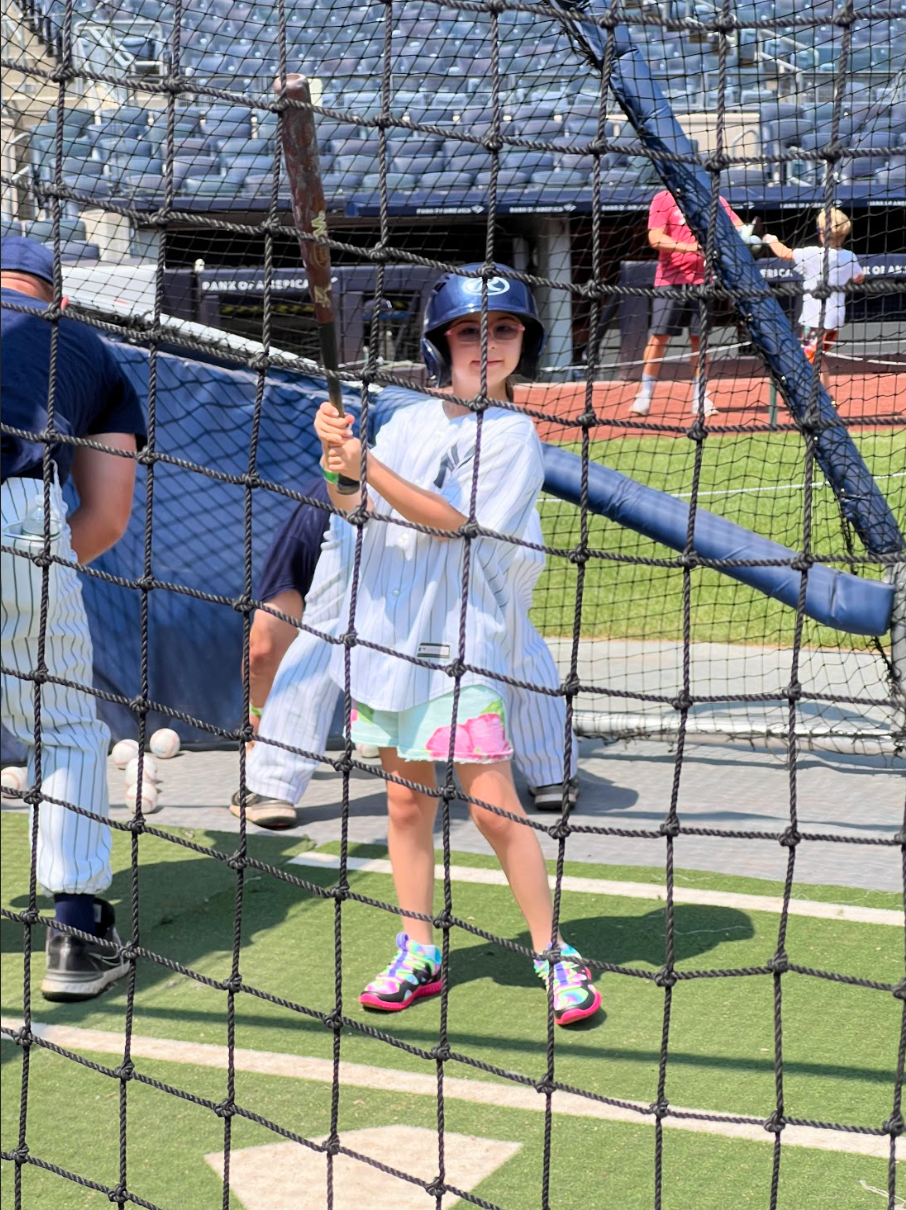
Christina Faulkner at bat
Children with Down syndrome often face physiological challenges such as lower muscle tone and slower motor development. These can make daily activities, from walking to stair climbing, more difficult—but movement can be medicine.
Studies show that regular physical activity has a direct, positive relationship with improved mobility outcomes, meaning children who stay active tend to move more easily in daily life.
Participating in sports like swimming, athletics, or adapted team games encourages children to:
Build strength and endurance
Improve balance and coordination
Enhance cardiovascular health
Reduce risks linked to sedentary lifestyles, such as obesity and low fitness
The evidence is clear: staying physically active helps build healthier bodies and opens doors to more active, independent lives.
Social Growth and Emotional Well-being
Beyond the physical, athletics fosters vital emotional and social development. When a child crosses a finish line, makes a pass, or cheers on a teammate, something deeper happens: a sense of belonging takes root.
Although much of the research focuses on physical outcomes, parents and caregivers consistently report that sports provide an irreplaceable social experience. Many children participate in physical activity primarily to be with peers, strengthening friendships and reducing isolation.
In team and adapted sports environments, children learn cooperation, communication, resilience, and self-esteem—skills they carry off the field and into school, family life, and community.
Programs like Special Olympics, unified sports teams, or inclusive athletics clubs create spaces where differences are celebrated and every child is valued for their effort and spirit.
Why This Matters to Families and Communities
The benefits of athletics for children with developmental disabilities go far beyond trophies and medals:
🧠 Cognitive engagement: Movement supports motor planning and learning
🤝 Social inclusion: Team sports break down barriers and build friendships
💪 Physical empowerment: Active children gain strength and confidence
❤️ Emotional resilience: Sport teaches kids how to cope with challenges and celebrate progress
Every child deserves opportunities to grow—not just physically, but socially and emotionally too. When communities invest in inclusive sports programs, we witness children with Down syndrome shine in ways that textbooks and test scores could never capture.
Take Heart’s Mission in Action
At Take Heart Foundation, we are committed to supporting programs and partnerships that bring adaptive sports and inclusive athletic opportunities to every child, regardless of ability. Because every child’s heart deserves room to grow—on the track, in the pool, on the court, and in life.